Eastern DRC: armed conflicts are exacerbating pressure on wildlife and local ecosystems
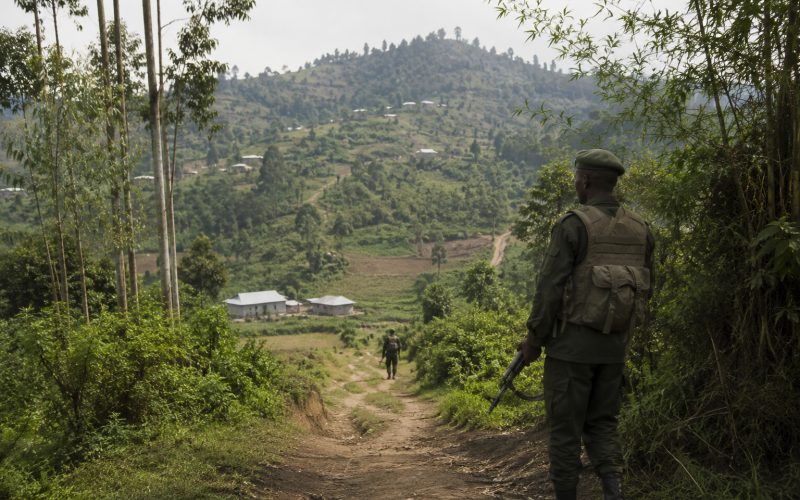
As armed violence continues to displace populations and undermine governance structures, environmental protection groups are observing an intensification of destructive practices affecting natural resources and wildlife.
The coordination team of the collective Jeunes unis pour la protection de la nature (Youth United for Nature Conservation) reports an increase in threats to several animal species in areas marked by persistent insecurity. According to its leader, Kasereka Vyambithe, certain armed groups are reportedly engaging in illegal fishing and the uncontrolled exploitation of natural resources in several riverside areas affected by the war.
Beyond the immediate ecological losses, these dynamics raise broader questions about the effects of armed conflict on the relationships between populations, territories and natural resources. In several regions of eastern DRC, the collapse of control mechanisms, forced displacement and the increasing precariousness of living conditions are exacerbating pressures on ecosystems already weakened by extractive activities and environmental changes. This situation is also reigniting debates on the links between war, environmental governance and biodiversity conservation in conflict zones. Several local stakeholders are now calling for greater integration of environmental concerns into the humanitarian and security responses being implemented in the region.