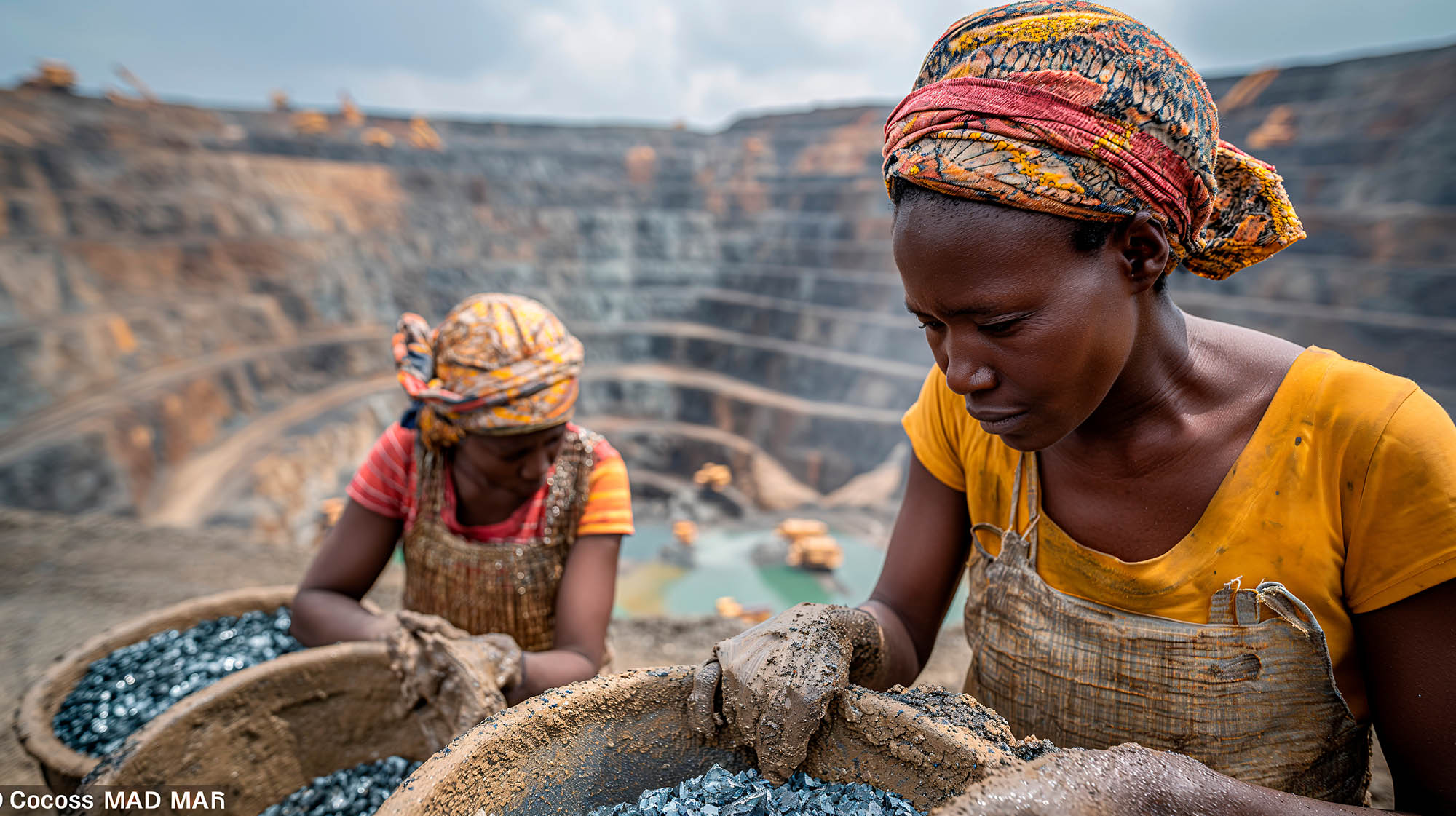

The Congolese subsoil plays a strategic role in the global natural resources economy. Copper, cobalt, coltan, gold, and cassiterite place the Democratic Republic of the Congo at the heart of global supply chains, particularly in the context of energy and technological transitions. The mining sector is a major driver of economic growth and accounts for a significant share of national exports. However, mining also leads to profound transformations of the land. It contributes to deforestation, soil and water pollution, landscape degradation, and the fragmentation of ecosystems. In many mining regions, these transformations directly affect people’s livelihoods, agricultural land, and water resources.
EcoAct-Congo conducts research on the environmental and social impacts of mining, particularly regarding pollution, soil degradation, and land-use conflicts. The network also analyzes legal frameworks and mechanisms for the redistribution of mining revenues. Our work aims to better understand the territorial transformations linked to mining and their effects on local communities. By producing empirical and institutional analyses, EcoAct-Congo contributes to debates on the conditions for mining that can reduce environmental impacts and enhance benefits for local populations.
EcoAct-Congo analyzes the mining sector through an approach that links extraction, the environment, governance, and territorial transformations. The network focuses on the direct and indirect effects of mining activities on ecosystems and local economies. Our approach also examines the legal and institutional frameworks governing the exploitation of mineral resources. It focuses particularly on the gaps between existing standards and observed practices in mining areas, as well as on the power dynamics that shape the redistribution of economic benefits.



Latest news
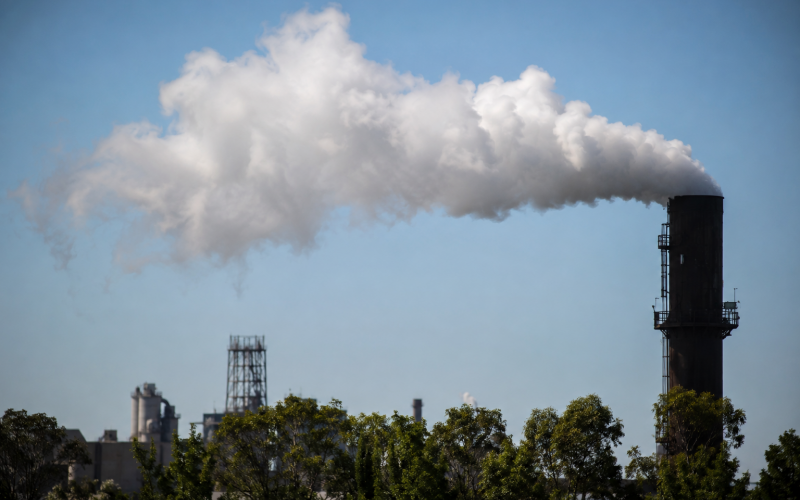
Kinshasa - Several civil society organisations, including the Initiative for Good Governance and Human Rights (IBGDH), have condemned the environmenta...